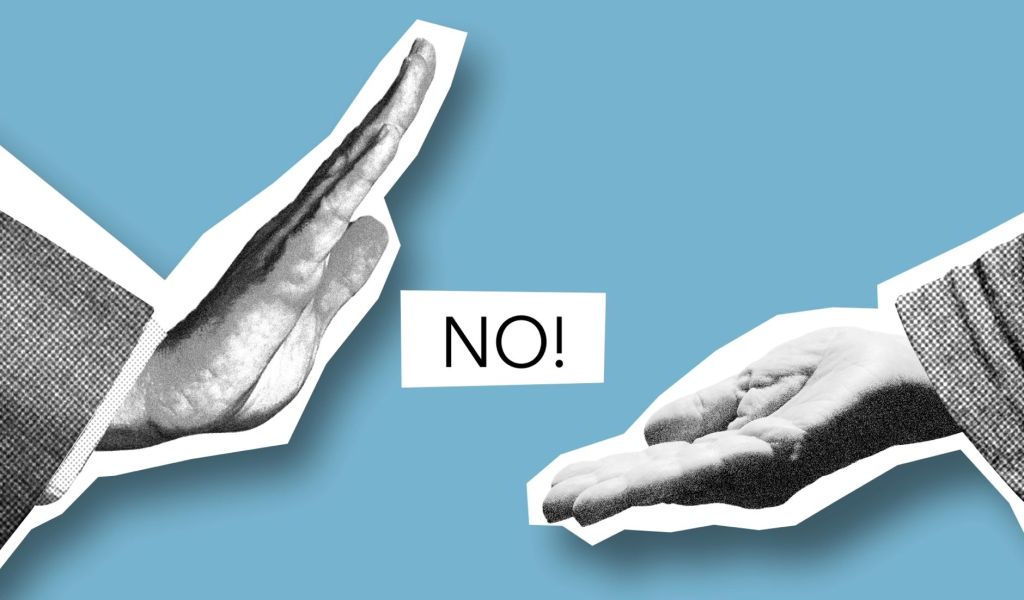
Lately, I have been noticing something that I find quite interesting. It is not something I can prove with statistics, and it is not meant to criticize or generalize an entire generation. It is simply an observation from conversations, social media interactions, workplaces, and everyday life.
When I talk about this observation, I am mainly referring to Generation Z and the younger generations following behind them. Of course, not everyone fits into the same pattern, but there seems to be a noticeable shift in how respect, manners, and authority are understood. Whether that shift is good or bad is open to debate, but the difference is difficult to ignore.
As someone who was raised in the 1990s and learned most of my manners in the early 2000s, I grew up with a certain understanding of respect. We were taught to greet people properly, listen before speaking, and acknowledge the experience of those who had walked further in life than we had. Respect was not about fear or blind obedience. It was about recognizing that every person had something worth learning from.
Today, I sometimes feel as though that understanding is changing. It is not that manners have disappeared completely. Rather, they seem to have evolved into something different. Confidence, self-expression, and equality appear to carry more weight than the traditional ideas many of us grew up with.
One thing I have noticed is that authority often receives more respect than experience. People may respect a position, a title, or influence, yet age and experience alone no longer seem to carry the same automatic recognition they once did. Social media has made this especially visible. It is now common to see younger people openly challenge elders, teachers, professionals, and public figures. Sometimes those challenges are justified, and sometimes they are not. What stands out is how normal this has become.
Before going any further, I should make it clear that these thoughts are not coming from a right-wing or left-wing perspective. They come from a place of observation. I try to keep an open mind when looking at society and the changes happening around us. Whether these changes are positive, negative, or simply different is not for me to decide. What interests me is the impact they are having on the way people relate to one another.
I also think the internet has played a role in this shift. Information is more accessible than ever before. Young people can learn things in minutes that previous generations might have spent years searching for. That confidence can be a good thing. Every generation benefits when people think for themselves. At the same time, knowledge and respect do not have to compete with one another. A person can be informed, disagree strongly, and still remain courteous.
In a previous article, I mentioned that I do not believe age alone should be the condition for respect. I still believe that. To me, respect should be extended to everyone, from the youngest child to the oldest adult. Every person deserves dignity, and every person has something they can teach us.
Perhaps what older generations see as a loss of respect, younger generations see as confidence and equality. Perhaps both sides are seeing only part of the picture. The world has changed rapidly over the last two decades, and it would be surprising if those changes did not affect the way we interact with one another.
I do not write this as a judgment. I write it as someone who enjoys watching life, listening to people’s experiences, and paying attention to the small changes happening around us. The question I keep coming back to is this:
Has respect itself changed, or has its meaning simply changed with the times?

Leave a Reply